
Hawthorn

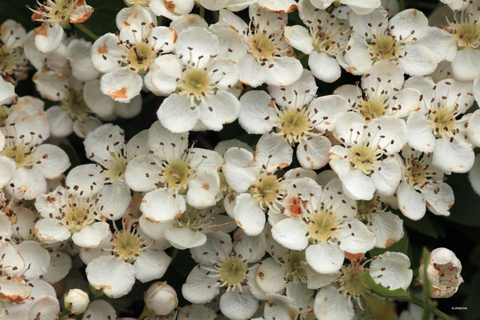
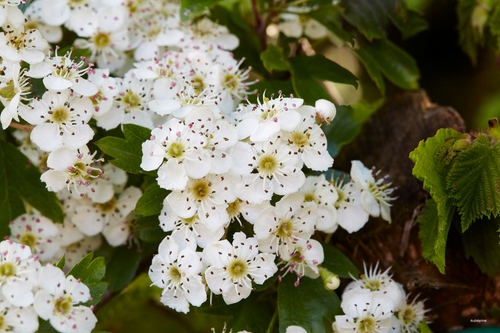
Hawthorn, botanical name Crataegus laevigata, is a shrub belonging to the Rosaceae family, the same family as roses and many fruits such as apples, pears, and cherries.

Native to Asia, Europe, and North America, hawthorn commonly grows in temperate regions of the Northern Hemisphere and can be found in almost all regions of France.

Its hardiness allows it to withstand extreme temperatures, giving it excellent quality in every season. Its edible fruits, called hawthorn berries, appear in early fall.

Also known as the "heart plant," hawthorn has been widely used and admired for thousands of years to treat certain conditions. It has countless benefits for heart health, but also helps combat anxiety, sleep disorders, and menopause-related symptoms. All these properties are now attracting considerable interest in herbal medicine. 

History and habitat of the hawthorn

Also known as "May wood," "May thorn," or "Beltaine bush," hawthorn is one of the earliest plants used for its therapeutic properties. Its fruits were originally used as food during prehistoric times, and its flowers served as a symbolic object to preserve chastity, ward off the evil eye, and protect babies.


It was not until the early 20th century that thetherapeutic benefits of hawthorn, particularly its cardiotonic, sedative, and antispasmodic properties, were recognized.


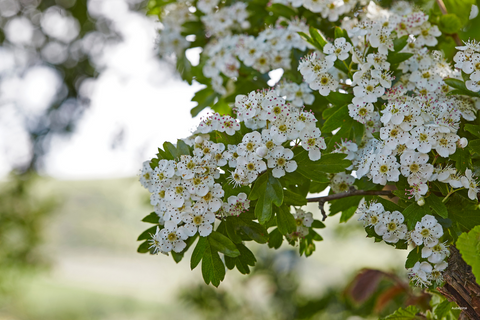
Hawthorn is found in Western Asia, North Africa, Central and Northern Europe, and grows in many regions around the world. In France, the plant is present in all environments, particularly on the edges of forests, in sparse woods, and in defensive hedges.

Section image

Properties and benefits of hawthorn    

Hawthorn is a valuable plant with cardioprotective properties. These properties have various effects: 

  1. Calming action:Hawthorn has calming and spasm-relieving properties. Its flavonoid and procyanidin content helps regulate nervousness, blood pressure, heart palpitations, ringing in the ears, and muscle spasms.

  2. Action against stress and anxiety:composed of anthocyanins and phenolic acids whose enzymes bind to anxiety-inducing neurotransmitters, the plant has relaxing properties and reduces symptoms of anxiety, stress,overwork, and irritability without causing drowsiness.

Section image

  1. Action against sleep disorders:Hawthorn is recommended for combating insomnia and minor sleep disorders. Rich in proanthocyanidins, this plant promotes relaxation and, inevitably, sleep.
     
  2. Effect on the cardiovascular system:the flavonoids present in hawthorn improve heart failure and blood circulation, reduce fatigue and shortness of breath, and protect the heart from inflammatory reactions.

  3. Action against low blood pressure and high blood pressure: High blood pressureis a condition characterized by elevated blood pressure. Hawthorn lowers blood pressure, improves blood flow, and provides better cardiac resistance. It also relieves chest pain.

  4. Action against menopausal symptoms:in herbal medicine, hawthorn may be recommended to reduce palpitations, hot flashes, and irritability. It also prevents the decline in sex hormones and protects the ovarian follicles.
Section image

Frequently Asked Questions

Didn't find the answer you were looking for?

Contact us