


The stages of sleep: understanding the circadian cycle and its effects on sleep quality
Written on March 1, 2025, by Pauline de Santarome
Sleep is a complex process consisting of different stages that form part of a cycle called the circadian cycle. This cycle, which lasts approximately 24 hours, is regulated by our internal biological clock and greatly influences the quality of our sleep. At the beginning of the night, we enter a phase of light sleep, during which we are easily awakened. Then, sleep gradually becomes deeper, promoting physical recovery. The last phase, REM sleep, is associated with dreams and intense brain activity.
Disruptions in this cycle, such as jet lag, can affect sleep quality. Taking dietary supplements can sometimes help improve sleep qualityby supporting optimal nervous system function.

What is the circadian cycle?
The circadian cycle is a biological rhythm that regulates various physiological processes in living beings, including sleep, body temperature, hormone secretion, and alertness. This cycle is mainly influenced by environmental signals, with daylight playing a central role in its regulation. Exposure to natural light during the day helps synchronize the internal biological clock.
Other factors influence the circadian cycle, such as body temperature and eating habits. A higher temperature during the day promotes wakefulness, while a drop at night prepares the body for rest. Meals, meanwhile, can influence the production of certain hormones and thus modulate energy and appetite depending on the time of day.
Disruption of the circadian cycle is often linked to:
Irregular sleep schedules,
Inappropriate exposure to light,
Disturbed eating habits.
Sleep disorderscan cause concentration problems and also affect your mood. Therefore, respecting and maintaining a regular circadian cycle is important for promoting physiological balance and contributing to well-being.
Understanding the stages of sleep
Sleep is a complex process that is divided into several stages, each of which plays a role in physical and mental recovery. It all starts with falling asleep, when the body gradually relaxes and the mind calms down. This first stage leads to light sleep, characterized by reduced brain activity and sensitivity to external stimuli.
Deep sleep follows, marked by slow brain waves and intensive cell regeneration. It is during this phase that the body repairs itself and strengthens the immune system. Finally, comes the REM (Rapid Eye Movement) phase, associated with dreams and intense brain activity. This last stage is important for memory consolidation and emotional regulation.
A complete cycle, from falling asleep to the REM phase, lasts an average of 90 to 110 minutes. The recommended duration varies according to age: infants need more REM sleep, adolescents prefer deep sleep, while adults alternate between all phases. Respecting these cycles and the recommended hours of sleep is essential for maintaining optimal mental and physical health.
If you would like to learn more about this topic, continue reading: How many hours of sleep do you need to be in good shape?
⭐⭐⭐⭐⭐ - Laura
I'm sleeping better again!
I fall asleep very quickly and have finally gotten back into a sleep routine. I highly recommend it!


The importance of respecting the circadian cycle for better sleep quality
The circadian cycle directly influences REM sleep and deep sleep, two phases that are essential for physical and mental recovery. A disruption of this cycle can lead to:
Difficulty falling asleep,
Frequent nighttime awakenings,
A change in sleep quality.
Studies have shown that disruptions to the circadian cycle are associated with sleep disorders such as insomnia and sleep apnea.
Disruption of the circadian cycle can also impact the production of melatonin, the sleep hormone. By disrupting the secretion of this hormone, the body can lose its ability to naturally regulate the sleep-wake cycle, leading to chronic sleep problems.
Habits to adopt to improve the quality of your sleep
To improve the quality of your sleep, creating an environment conducive to rest is essential. In the bedroom, ensure total darkness by using blackout curtains and eliminate light sources such as screens. Maintain a temperature of around 64°F (18°C) and ensure optimal comfort with a suitable mattress and pillows.
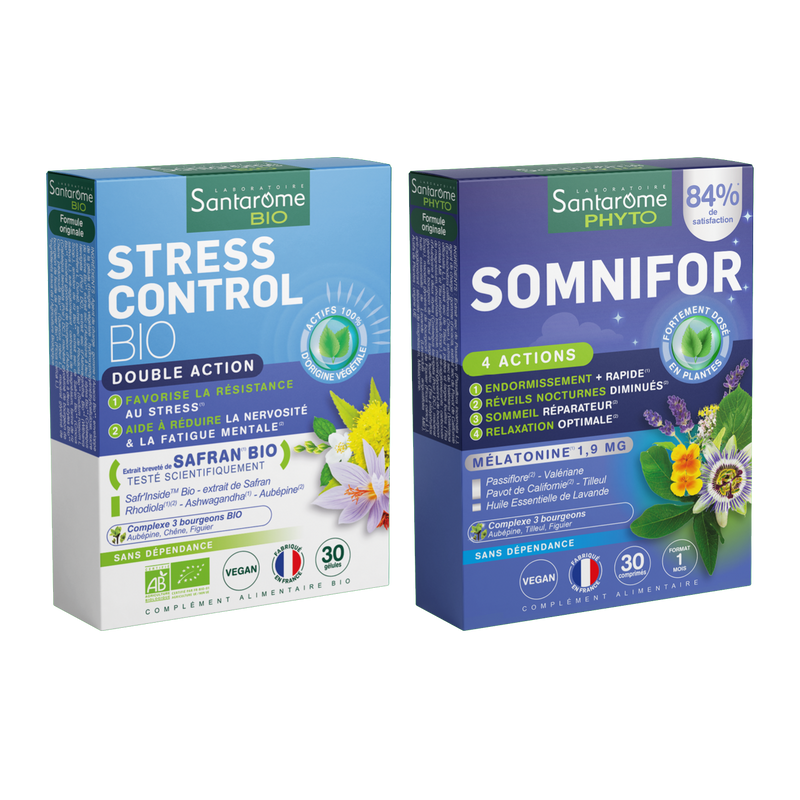
At the same time, using dietary supplements can be beneficial. Somnifor 4 ACTIONS by Santarome are tablets containing melatonin and plant extractssuch as valerian and passionflower, known for their soothing properties. These ingredients promote relaxation, which can help you fall asleep more easily. However, it is important to consult a healthcare professional before taking any supplements, particularly to avoid possible interactions with other medications.
Avoid stimulants such as caffeine and nicotine a few hours before bedtime, and engage in relaxing activities such as reading or meditation. Limit the use of electronic screens before bedtime, as blue light can disrupt the natural sleep cycle.
Understanding the stages of sleep and the circadian cycle is essential to improving the quality of our rest. By following the different phases of sleep, from light sleep to deep sleep, we can better understand the importance of respecting our natural biological rhythm. The circadian cycle, regulated by our internal clock, directly influences our well-being by impacting the quality of our sleep. By adjusting our daily habits to be in tune with this cycle, we promote more restful sleep.