


Sleep and nutrition: foods that promote better quality sleep
Written on February 4, 2025, by Pauline de Santarome
Do you dream of a good night's sleep? The key to restful sleep could be hiding in your plate... or in a sleep supplement! In this article, discover how a few simple adjustments to your diet could be just the boost your sleep needs.

The basics of sleep
Sleep is a cornerstone of daily well-being, and understanding its various aspects can greatly improve quality of life.
Recommended sleep durations
Recommended sleep durations vary depending on age. For adults, 7 to 9 hours of sleep per night is generally recommended, while teenagers need 8 to 10 hours. Toddlers, on the other hand, need more, namely between 10 and 14 hours of sleep.
The different stages of sleep and their influence on quality
Sleep is divided into three distinct phases, from light sleep to deep sleep, and finally REM sleep. These phases follow one another during a sleep cycle that lasts an average of 90 to 110 minutes:
Light sleep is important for relaxation and preparation for deep sleep.
Deep sleep is essential for tissue repair, memory consolidation, and hormone regulation.
REM sleep is important for brain development and emotion regulation.
The quality of sleep depends on the duration and alternation of the different phases of sleep. A complete sleep cycle allows the body to rest and regenerate.
Sleep deprivation, or poor-quality sleep, can lead to chronic fatigue, decreased cognitive performance, an increased risk of accidents, and increased susceptibility to infections.
Essential nutrients for optimal sleep
Did you know that nutritional choices can influence sleep quality? Certain molecules, vitamins, and therapeutic treatments can improve sleep quality.
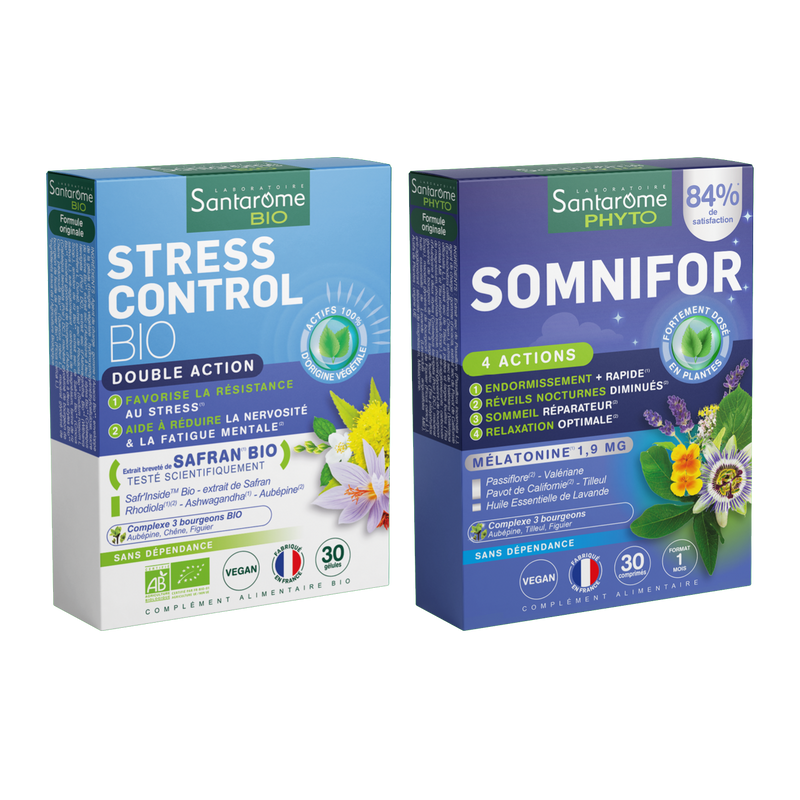
Melatonin: Melatonin, a natural hormone, regulates the sleep-wake cycle. Somnifor 4 Actions melatonin and bud tablets from Santarome Bio contain concentrated extracts of plants such as passionflower, valerian, California poppy, linden, andlavender to reduce nighttime awakenings and promote more restful nights.
Vitamins and minerals related to sleep: vitamin B6, magnesium, and zinc are involved in the production of substances that promote relaxation, while vitamin D helps regulate the biological rhythm.
Herbal medicine for sleep: herbal medicine is a therapeutic treatment based solely on plants. Santarome's Bonne Nuit Bio sleep gummies are 100% vegan and contain plants such as lemon balm to help you fall asleep, chamomile for physical and mental relaxation, California poppy to improve sleep quality, linden for peaceful sleep, and valerian to stimulate the release of GABA.
⭐⭐⭐⭐⭐ - Laura
I'm sleeping better again!
I fall asleep very quickly and have finally gotten back into a sleep routine. I highly recommend it!

Foods that promote quality sleep
Beyond good eating habits such as eating light in the evening, discover in detail the foods that promote more restful and soothing sleep:
Fish rich in omega-3: Fatty fish, such as salmon, mackerel, and sardines, are rich in omega-3, essential fatty acids that help produce melatonin, the sleep hormone.
Bananas: Bananas, rich in potassium and magnesium, are also a good source of tryptophan, an amino acid that promotes the production of serotonin, another neurotransmitter involved in sleep.
Nuts and seeds: Almonds, cashews, and pumpkin seeds are ideal snacks before bedtime. They are also rich in tryptophan and magnesium.
Dairy products: milk, cheese, and yogurt are good sources of calcium, a mineral that promotes muscle relaxation. They are also rich in tryptophan.
Green leafy vegetables: Spinach and kale, rich in magnesium, help relax muscles and calm the nervous system.
Dietary mistakes to avoid
Today, French people are sleeping less and less. In fact, sleep time has decreased by 1.5 hours in 50 years. Although stress and screens are contributing factors, other factors can also disrupt sleep:
Excess caffeine and its influence on sleep
Caffeine, found in coffee, tea, and energy drinks, is a stimulant that can increase alertness and concentration. It is therefore very likely that you will have difficulty falling asleep, wake up in the middle of the night, or have poor quality sleep.
In general, it is recommended to limit caffeine intake to 400 mg per day, or about 4 cups of coffee, and to avoid consuming it several hours before bedtime to promote natural sleep.
Effects of large late-night meals on digestion and sleep
Eating large meals late at night is another practice to avoid. Heavy meals can slow down digestion and cause discomfort, which can lead to sleep disturbances.
It is therefore recommended that you eat dinner at least 2 hours before going to bed. If you feel hungry before bedtime, opt for light, easily digestible foods such as fruit or vegetables.
Alcohol: impact on REM sleep
Alcohol, although often associated with a relaxing effect, can disrupt REM sleep, a phase of the sleep cycle that is essential for recovery. Alcohol consumption can cause sleep interruptions and frequent awakenings during the night. It is therefore advisable to limit alcohol consumption, especially before bedtime, to maintain sleep quality.
Good sleep is essential for physical and mental well-being. It is during sleep that the body regenerates, the mind rests, and emotions are rebalanced. Quality sleep helps strengthen the immune system, improve concentration and decision-making, and promote better stress management. So, incorporate the right foods and habits into your daily routine, and discover Santarome Bio's sleep supplements to rediscover the pleasure of restful sleep.