

Birch sap

Birch is a particularly hardy tree, capable of growing in poor soil and harsh climates. Its sap concentrates some of this vitality: naturally rich in minerals, trace elements, and amino acids, it has long been used in seasonal treatments to support the body.

Birch sap supplements are best known for their draining and detoxifying properties, but their benefits don't stop there. Circulation, digestive comfort, joints, energy... birch sap can support many internal balances when incorporated into an overall healthy lifestyle.

Unlike birch juice, which is extracted from leaves or specific preparations, birch sap is taken directly from the trunk when the sap rises in spring.

The benefits of birch sap 

A true ally during the transition from winter to spring (and more broadly during periods of fatigue or overload), birch sap is particularly appreciated for its gentle draining action and mineral richness.

Instead of promising a "miracle cure," it can be considered a natural boost that supports elimination functions and helps the body regain a certain balance, as part of an overall healthy lifestyle.


1. Natural drainage to revitalize the body

Birch sap is traditionally used for its mild diuretic effect, i.e., its ability to stimulate the elimination of water and waste by the kidneys. This action is linked in particular to its potassium content and certain compounds specific to birch trees.


In concrete terms, a well-conducted treatment can:

  • promote the elimination of toxins and metabolic waste;
  • help reduce water retention and feelings of bloating;
  • contribute to an overall feeling of "lightness."


We are talking here about gentle drainage, which is a long-term process rather than a shock effect.

2. Minerals, bones, joints, and recovery

Because it contains calcium, magnesium, phosphorus, and silicon, birch sap helps to:

  • support bone and tooth mineralization;
  • support joint comfort, as a complement to appropriate treatment;
  • contribute to muscle recovery after exercise, particularly in active or athletic individuals.


Certain compounds found in birch (such as glycosides) have anti-inflammatory and analgesic properties recognized by traditional herbal medicine, which explains its use in promoting joint comfort.

3. Skin, antioxidants, and anti-aging effects

Birch sap contains antioxidants (flavonoids, vitamins, certain phenolic acids) that help protect cells from oxidative stress.


Without mentioning the "fountain of youth," it can:

  • support the radiance of the complexion;
  • support skin quality as part of an overall routine (diet, hydration, sleep, appropriate skincare);
  • help limit certain effects of aging linked to cellular oxidation.


4. Energy, natural defenses, and mood

Birch sap provides:

  • natural sugars (glucose, fructose),
  • minerals,
  • several amino acids

This cocktail contributes to:

  • support energy metabolism, especially during periods of temporary fatigue;
  • support natural defenses with micronutrients involved in the functioning of the immune system;
  • contribute to nervous system well-being, particularly thanks to magnesium and certain B vitamins, which are known for their role in emotional balance.

However, we are still talking about support, not medical treatment for mood disorders or chronic fatigue.

5. Heart, circulation, and water balance

Thanks to its potassium content and draining effect, birch sap can:

  • help maintain a healthy water balance;
  • support smoother circulation by helping the body eliminate excess water;
  • indirectly support cardiovascular balance, always as part of an overall healthy lifestyle.


It obviously does not replace medical treatment or cardiological monitoring, but rather serves as a complementary measure in the field.
Section image

Harvesting sap in the spring 🌻 

Birch sap is a seasonal product par excellence: it flows for only a few weeks each year, at the precise moment when the tree awakens after winter. It is this short window that explains its "precious" nature and the need for careful harvesting.

From tree to bottle: a respectful process

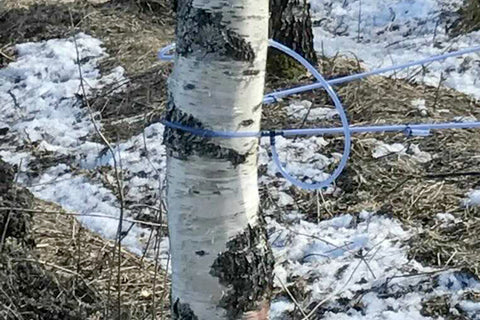
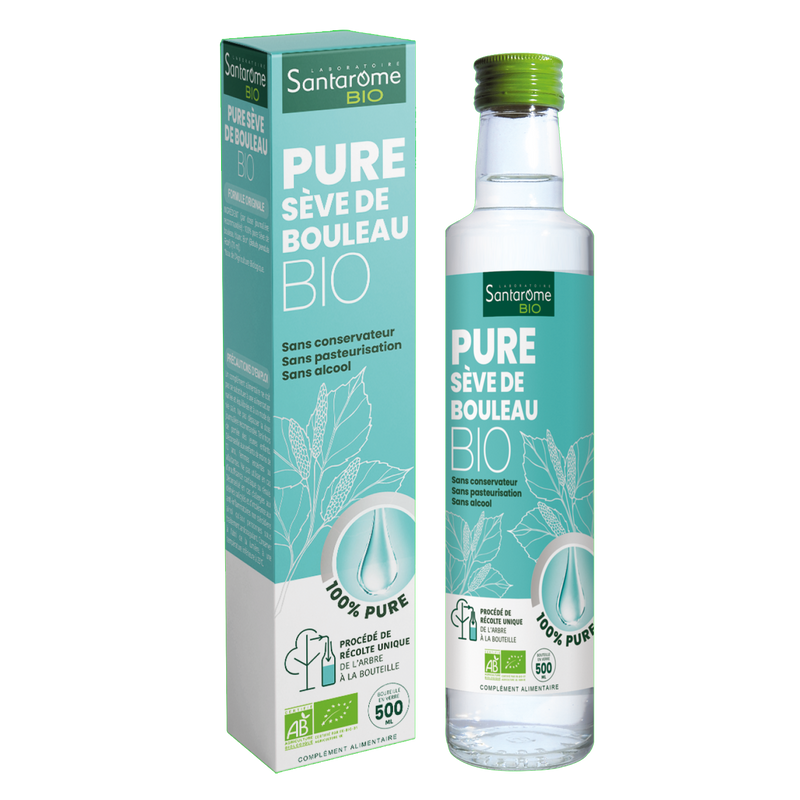
At Santarome, Pure Organic Birch Sap is harvested using the "from tree to bottle" method.

The idea is to minimize oxidation and handling in order to preserve the sap in a state as close as possible to its natural form.

In concrete terms:

  • a small hole is made in the bark of the birch tree;
  • a food-grade tube is inserted to channel the flow of sap;
  • the sap is collected directly into suitable containers;
  • The hole is then filled in to allow the tree to heal and be used again in subsequent seasons.

This process aims to respect the tree while ensuring high-quality fresh sap.

Why is spring the ideal time?

Birch trees go dormant during winter, then mobilize their reserves of minerals and nutrients in spring to feed buds and young shoots. Between late February and mid-April ( depending on the region and the year), sap rises in the trunk and becomes particularly rich in minerals, trace elements, and vitamins.

This is the best time of year for fresh sap treatments.

Section image

Birch sap, an effective detox ally 🍋 

When we talk about "detox," we're not talking about resetting everything in a few days, but rather supporting the elimination organs (kidneys, liver, intestines, skin, lungs) to help them function at their best, especially after a more difficult period (winter, holidays, unbalanced diet, etc.).

Support for the emunctory organs, not a magic wand

Thanks to its draining effect and high mineral content, birch sap can:

  • support kidney function by stimulating gentle diuresis;
  • participate in regulating water retention;
  • support the liver in its detoxification processes, in addition to a suitable diet;
  • contribute to improved intestinal comfort when the sap is well tolerated.


By stimulating the emunctory organs, it helps the body to sort things out, without claiming to "erase" all toxins at once.

Gut flora and remineralization

Birch sap is naturally rich in:

  • minerals (potassium, calcium, magnesium, manganese);
  • trace elements (zinc, iron, etc.);
  • amino acids and organic acids.


This composition makes it an interesting addition to:

  • help rebalance the intestinal flora when used as part of an overall healthy lifestyle;
  • support remineralization, particularly in people with a limited diet;
  • support seniors, whose bodies sometimes have more difficulty maintaining adequate mineral intake;
  • support athletes, particularly in terms of recovery and replacing electrolytes lost during exercise.

Again, this is an interesting support, but it is not a substitute for medical advice or a balanced diet.

Section image

Consumption and treatment with birch sap

To get the most out of birch sap, a few simple guidelines are all you need. The idea is not to complicate your daily life, but to establish a clear routine that is easy to stick to over time.


When should you do a detox?

The most common period is between late February and April, when the body emerges from winter and toxins have tended to accumulate.

A cure may also be considered:

  • after a period of overeating;
  • in case of temporary fatigue;
  • during a change of pace (start of the school year, resuming sports, etc.).

In any case, birch sap should be part of a balanced lifestyle that includes a varied diet, adequate hydration, and quality sleep.

How can you incorporate it into your daily routine?

Birch sap is a clear, slightly sweet liquid. For a standard treatment:

  • to drink in the morning on an empty stomach;
  • pure or diluted in a little water, according to your preference;
  • kept cool during the treatment period, in accordance with the product instructions.

Some people quickly notice a reduction in bloating or a feeling of lighter digestion. The experience varies from person to person and also depends on the overall context (diet, stress, physical activity, etc.).

Recommended duration of treatment

The most commonly recommended duration is three weeks, which gives the body time to adjust and enjoy the long-term effects of the sap.

Use outside of the season may be considered on an occasional basis (e.g., a short course of treatment during a period of fatigue), always following the dosage instructions and precautions for use.

Section image

Customer reviews

⭐⭐⭐⭐⭐ -Marine

A lovely discovery!

A wonderful discovery for this natural product, which I was a little apprehensive about taking, especially because of the taste. In the end, it goes down quite well in the morning on an empty stomach, served chilled. I like the measuring cup that comes with it, which makes it easy to take the right dose, and the attractive packaging. You start to feel the effects just a few days after starting the treatment. I highly recommend it at the start of every season!

Section image

Precautions for use and adverse effects

Birch sap is generally well tolerated, but it is not suitable for everyone. A few precautions are essential.

People for whom sap is not recommended

The consumption of birch sap is not recommended:

  • pregnant or breastfeeding women;
  • people with allergies to birch or related pollens;
  • people suffering from kidney or heart disease;
  • to children under 12 years of age.

Anyone undergoing medical treatment should seek the advice of their doctor before starting a treatment program.

Possible side effects

In case of excessive consumption or individual sensitivity, birch sap may cause:

  • nausea;
  • diarrhea;
  • allergic reactions (itching, redness, breathing difficulties, etc.).

If you have any doubts or experience unusual symptoms, it is important to stop the treatment and consult a healthcare professional. It is essential to follow the recommended dosages in order to enjoy the sap with complete peace of mind.

Discover the benefits of the following plants:

  1. Properties of burdock
  2. Properties of ascophyllum
  3. Properties of hawthorn

Section image