Benefits of chamomile: a soothing herb for the body and mind

Chamomile, this delicate flower with white and yellow petals, is much more than just a garden ornament. For centuries, it has been used for its soothing and healing properties. Known for its sweet aroma and slightly sweet flavor, chamomile offers a multitude of benefits for well-being. In this article, discover the different types of chamomile, their anti-inflammatory and soothing properties, their uses, and the precautions you should be aware of.

Chamomile: discover its origins and different varieties

Chamomile is a herbaceous plant belonging to the Asteraceae family. It is mainly found in Europe, Western Asia, and North America. There are two main varieties of chamomile: 

  • Roman chamomile (Chamaemelum nobile), also known as noble chamomile.
  • German chamomile (Matricaria chamomilla or Matricaria recutita), sometimes called matricaria chamomile or wild chamomile.

Although the two varieties share certain similarities, they differ slightly in terms of appearance and chemical composition.

Section image

The active ingredients in chamomile: everything you need to know

Chamomile contains many active ingredients that are beneficial to health. These include: 

  • Flavonoids have anti-inflammatory properties and help strengthen the immune system.
  • Terpenes are responsible for its sedative and relaxing effects.
  • Antioxidant compounds fight free radicals and prevent oxidative damage in the body.
Section image

The benefits of chamomile for your well-being: a plant with many virtues

Chamomile has long been known for its many benefits for physical and mental well-being. This soothing herb provides effective relief from anxiety and stress, making it a popular natural option for many people seeking non-drug solutions.

Chamomile and anxiety: how this plant can help relieve your stress


One of the main benefits of chamomile is its calming properties. By regularly consuming chamomile, whether in the form of tea, herbal tea, or even dietary supplements, can help reduce anxiety and stress. Chamomile works by promoting relaxation and soothing the nervous system, which helps reduce feelings of worry and apprehension.

It should be noted that chamomile does not directly treat anxiety, but it can be an excellent dietary supplement in a comprehensive approach to managing stress and mild to moderate anxiety disorders. Its soothing properties help calm the restless mind and promote a sense of relaxation and serenity.

Chamomile and sleep: discover its soothing benefits

Chamomile is known for its sedative and soothing properties. Its calming effect on the nervous system helps to:

  • promote mental and physical relaxation
  • improve sleep quality,
  • promote sleep,
  • calm nightmares,
  • reduce anxiety and stress related to sleep disorders.

Recommended in the evening, chamomile tea is an excellent remedy for insomnia.

Chamomile and digestion: an ally against digestive problems


Chamomile aids digestion thanks to its antispasmodic action and anti-inflammatory properties. Consumed in the form of chamomile tea, it helps to:

  • relieve bloating and flatulence,
  • relieve stomach pain,
  • reduce intestinal cramps,
  • alleviate diarrhea and colic,
  • combat gastritis and gastrointestinal problems.

A simple cup of chamomile tea after a meal helps aid digestion and soothe digestive problems.

Other benefits of chamomile

In addition to its digestive and sedative effects, chamomile also contributes to:

  • relieve menstrual pain,
  • reduce inflammation thanks to its anti-inflammatory action,
  • improve respiratory health by inhaling to combat colds,

Relieve eye pain with warm compresses.
Section image

Chamomile: a beauty ally for your skin and hair

Thanks to its active compounds, chamomile has soothing, softening, and healing properties, as well as anti-inflammatory and antioxidant properties, making it a popular ingredient in many skincare products.

Chamomile for the skin is available in various forms:

  • chamomile-based lotions and creams,
  • chamomile extract ointment,
  • Chamomile compresses to relieve sunburn and promote the regeneration of damaged skin.

When used on the skin, chamomile can help soothe irritation, redness, and inflammation. It is particularly effective in relieving sensitive skin or skin prone to allergic reactions. Topical application of products containing chamomile helps reduce itching, burning, and redness, leaving the skin soothed and comforted.

In addition, chamomile is known for its healing properties. It can help speed up the healing process for minor wounds, rashes, and irritations. 

Chamomile and hair beauty often go hand in hand: it is often used to provide natural benefits and improve the appearanceof hair.Chamomile tea can be used as a final hair rinse to add shine and softness to the hair. It can also help to slightly lighten blonde or light brown hair, giving it natural highlights.

Section image

How to use chamomile: practical tips and tricks!

Chamomile can be used in the form of:

  • Herbal tea or infusion for its relaxing effects.
  • dietary supplements for specific purposes.
  • For topical application to enhance the beauty of skin and hair.

Enjoy chamomile-based infusions and herbal teas

Chamomile tea is one of the most popular uses of this soothing plant. To prepare it, simply pour a teaspoon of dried chamomile flowers into boiling water and let it steep for 5 to 10 minutes. This aromatic beverage has a delicate, sweet flavor and a relaxing aroma.

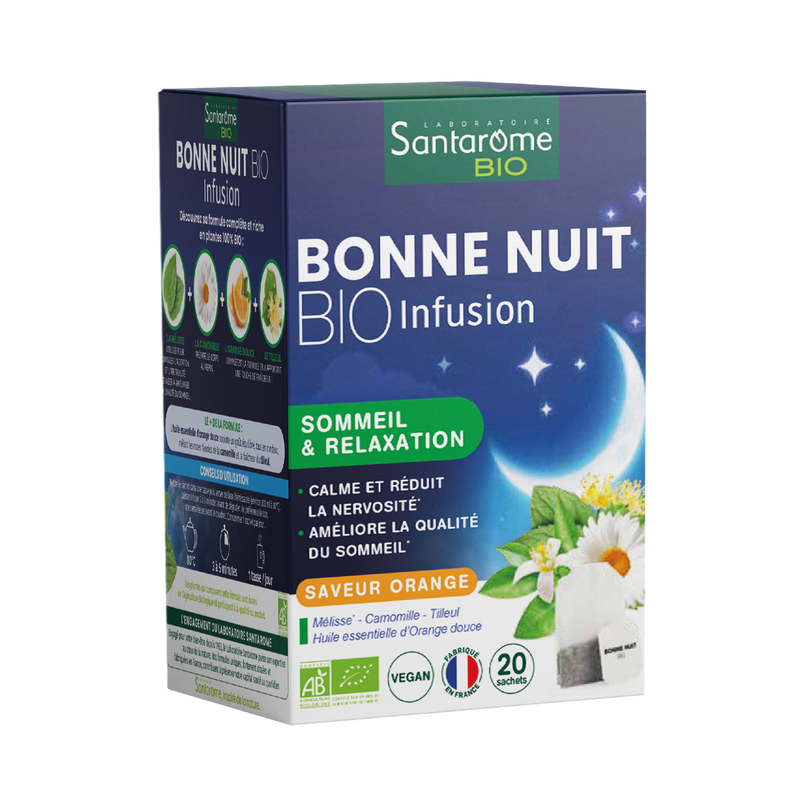
In herbal medicine, chamomile is an effective medicinal plant on its own, but it can also be combined with other plants to create customized blends with complementary benefits. For example, combining chamomile and lemon balm can enhance the relaxing effects, while an infusion of chamomile and peppermint can help relieve headaches and digestive problems.

Other ways to use chamomile

In addition to infusions and herbal teas, there are other effective ways to use chamomile:

  • Chamomile inhalation: ideal for clearing the airways, soothing irritation, and promoting relaxation.
  • Chamomile sitz bath: used to calm skin irritations, soothe discomfort, and benefit from its softening properties.
  • Vegetable oil or chamomile essential oil: applied topically, it helps relieve sensitive skin and itching and promotes healing.
  • Chamomile-based dietary supplements: a convenient way to enjoy its benefits in a concentrated and regular manner.
Section image

Using chamomile: precautions and dosage to be aware of

As with any medicinal plant, there are important precautions to keep in mind when using it. Here are the main contraindications for chamomile:

  • Chamomile and allergies: not recommended for people sensitive to mugwort pollen (risks associated with chamomile: allergic rhinitis, skin reactions).
  • Chamomile and pregnancy: its use is not recommended for pregnant and breastfeeding women.
  • Chamomile and anticoagulant medications: the plant contains substances (coumarin) that can increase the effects of anticoagulants and lead to complications.
  • Chamomile and asthma: it can worsen symptoms in people with asthma.

Possible side effects (in case of overconsumption) include dizziness, lightheadedness, nausea, or vomiting. 

To avoid any problems, it is essential to follow the recommended doses and seek the advice of a healthcare professional before using chamomile as a treatment or in combination with other plants (particularly yarrow, chamomile, bitter lettuce, and chrysanthemum).

Section image