
Origin and history
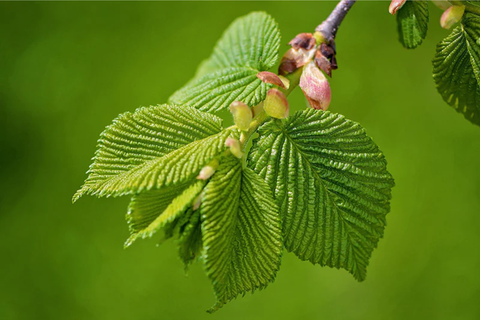
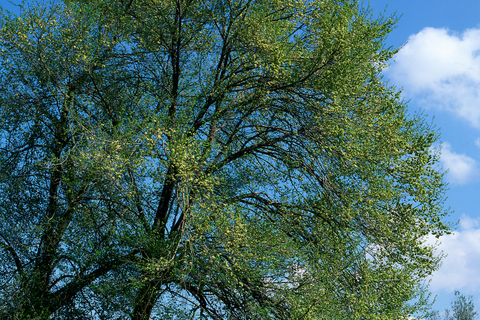
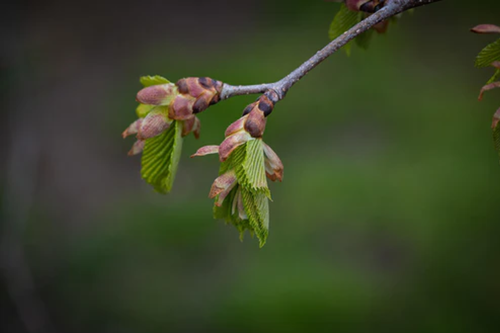
L’orme blanc est un arbre majestueux qui a longtemps occupé une place importante dans les paysages ruraux européens. Présent dans les plaines, les vallées et les bords de rivières, il était souvent planté près des villages pour offrir de l’ombre et symboliser la protection. Dans l’Antiquité, les Romains associaient l’orme à la vigne : il servait de support naturel pour guider les plants de vigne vers la lumière. Au fil des siècles, son bois résistant a été utilisé pour la fabrication d’outils, de charrettes et de meubles. En phytothérapie et en gemmothérapie, l’orme blanc est aujourd’hui apprécié pour ses vertus purifiantes et régénérantes, notamment pour la peau.