
The benefits of Manuka honey

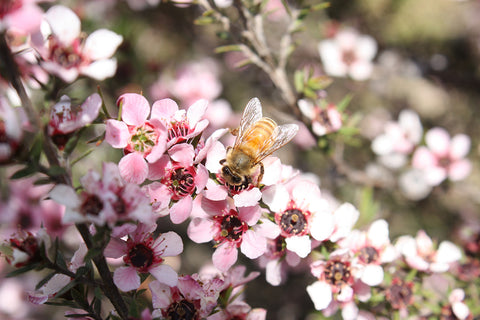
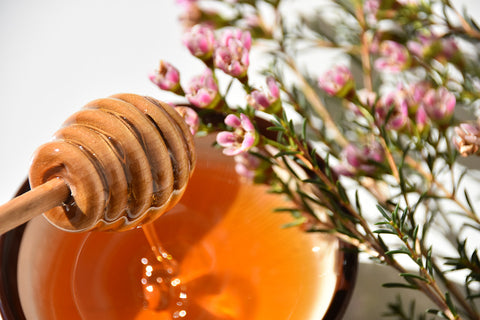
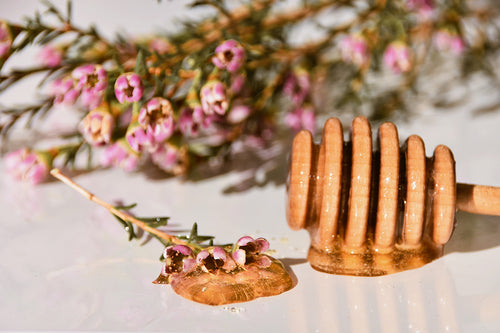
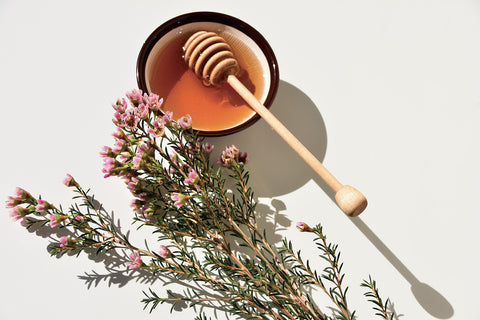
Manukais a species of shrub endemic to New Zealand. The Maori Indians quickly became interested in this wild shrub, which is very common on the island. Its flowers and foliage are particularly fragrant, and it is also very resistant to extreme weather conditions.

Its flowering period is very short, lasting less than six weeks. If weather conditions allow, bees come to feed on the nectar of its small white or pink flowers.

Properties and benefits of Manuka honey 

Manuka honey has established itself in herbal medicine thanks to its antibacterial and healing properties. It is effective in all circumstances, but Manuka honey is mainly known for:

  1. Protect against oral infections.
  2. Fight stomach aches.
  3. Boost your immune system.
  4. Its antibacterial properties.

It therefore has unique nutritional and therapeutic properties. Unlike other honeys,Manuka honey is rich in methylglyoxal (MGO). The higher this index, the stronger the antibacterial properties.

The flavonoids in Manuka honey help combat skin aging. Applied as a mask, it cleanses the pores of the skin. It is an ideal beauty partner for treating inflamed pimples, reducing them, and promoting healing.
Section image

The origin of the nectar of the gods: Manuka honey 🌺 

The Maori mainly use the leaves and bark of the Manuka tree to help treat colds and urinary tract infections. But Manuka is also used to aid the healing of sprains, fractures, and wounds.

It was not until the 1980s that the properties of Manuka honey were studied. Today, Manuka honey accounts for 0.09% of global honey production. This unique honey is universally recognized as one of the best in the world for health.

Manuka honey is more expensive than other honeys because its harvest is limited and it must be stored under very specific conditions. Its high price is also due to the fact that it is imported from New Zealand.

Section image

The composition of Manuka honey 

What makes Manuka honey so unique is its high methylglyoxal content. Generally speaking,honey is composed of approximately 80% sugars and 17% water. The remaining 3% consists of:

  1. Enzymes secreted by bees to transform nectar into honey. 
  2. Various compounds of plant origin.
  3. Minerals, vitamins, and other antioxidants.

    Among the nectars of the hive, Manuka honey is a product in its own right. It contains:
  4. 80% natural sugar.
  5. 17% water.
  6. High MGO content and plant substances.
  7. Gluco-oxidase and enzymes secreted by bees.
  8. Amino acids and organic acids.
  9. Minerals.
  10. Vitamins B and C.

During maturation, the dihydroxyacetone contained in Manuka honey is converted into methylglyoxal. This compound is found in Manuka honey in concentrations up to 100 times higher than in other honeys. 70% of the pollen content must come from Manuka to qualify for the designation "Manuka honey."

Section image

The dosage of Manuka honey

For optimal use, Manuka honey should be stored in a cool, dry place.

For internal use, take2 to 3 teaspoons of honey in the morning and evening before meals. For curative or preventive purposes, it can be used in a hot drink or on toast.Manuka honey lozengescan relieve sore throats or sinus problems.

For external use, it is available in spray, infusion, or hand cream form.

When taken orally, it is recommended for:

  1. Support the respiratory system.
  2. Aid digestion.
  3. Prevent seasonal illnesses.
  4. Treat coughs and sore throats.
  5. Strengthen the immune system.
  6. Promote sleep.
  7. Prevent cavities.

For external use, it is recommended for:

  1. Relieve burns.
  2. Heal wounds.
  3. Soothe sunburn.


For a beauty routine, it will enable you to:

  1. Lip moisturizer.
  2. Skin purification.
  3. To combat acne.
  4. To nourish the hair.

Manuka honey can be used whenever the body needs strengthening. In New Zealand, it is used in hospitals to fight against Staphylococcus aureus bacteria.

Discover Santarome'sManuka honey-based dietary supplements.

Section image

Precautions for using Manuka honey 

This exceptional honey seems to have only good points, however, people who are allergic to bee stings should be careful when consuming this honey.

This honey has a moderate glycemic index (54-59), so diabetics should not avoid it altogether, but consume it in moderation. It is therefore important to be vigilant and consult a doctor.

If you have hypertriglyceridemia, consumption is not recommended.

Providing energy and vitamins, Manuka honey can be consumed during pregnancy.

Like many other natural products, its effectiveness has been proven by the experience of many people, but its use should not replace medical treatment.

Section image

Frequently Asked Questions

Didn't find the answer you were looking for?

Contact us