

Ginger

Origin and history


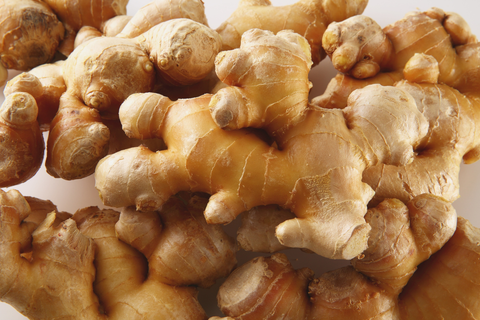
Ginger is a plant native to Southeast Asia, cultivated for over 3,000 years for its culinary and medicinal properties. Used in traditional Indian and Chinese medicine, it was already renowned in ancient times for stimulating vitality and digestion. Imported to Europe by Arab merchants in the Middle Ages, it was long considered a precious spice and aphrodisiac. Today, ginger is consumed worldwide for its energizing, digestive, and toning properties.
Section image

Properties and benefits of ginger

Ginger is known for its stimulating and protective effects on the body:


  • Digestive: it promotes the production of gastric juices and helps reduce nausea and bloating.

  • Tonic and revitalizing: it helps boost vitality and combat temporary fatigue.

  • Antioxidant: its phenolic compounds help protect cells against oxidative stress.

  • Natural warmer: stimulates circulation and provides a feeling of warmth, useful for those who feel the cold.

  • Traditional aphrodisiac: in some cultures, it is used to support sexual energy and libido.

Thanks to its many properties, ginger is good for both digestive comfort and overall vitality.

Section image